Taylor Swift Magic Tricks with ESP Symbols Explained

A good magic trick feels a lot like a great pop chorus. It sets a pattern, breaks it at the right second, then leaves people replaying the moment in their heads.
That is why Taylor Swift-inspired magic works so well with ESP symbols. The five classic ESP shapes, circle, cross, wavy lines, square, and star, are simple, bold, and easy to connect with themes fans already understand: eras, hidden messages, lucky numbers, friendship bracelets, and surprise reveals.
This guide explains how to build and perform Taylor Swift magic tricks using ESP symbols without needing expensive props or advanced sleight of hand. The focus is on clean, performable ideas that feel themed, not copied. No lyrics, no impersonation, no celebrity likeness required. Just clever structure, strong presentation, and a little showmanship.

Why ESP symbols fit the Taylor Swift theme so well
ESP cards, often called Zener cards, use five simple symbols:
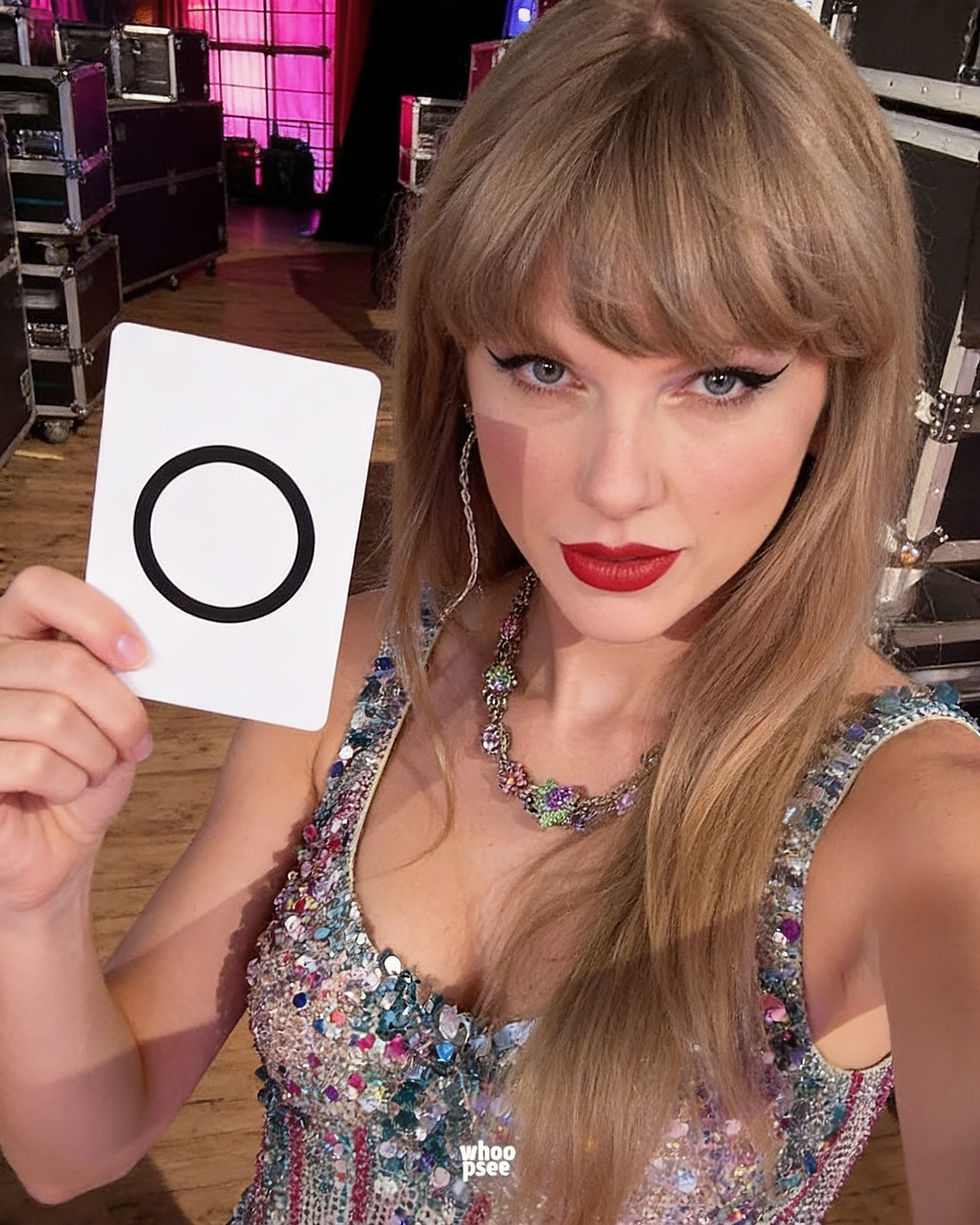
Circle
Cross
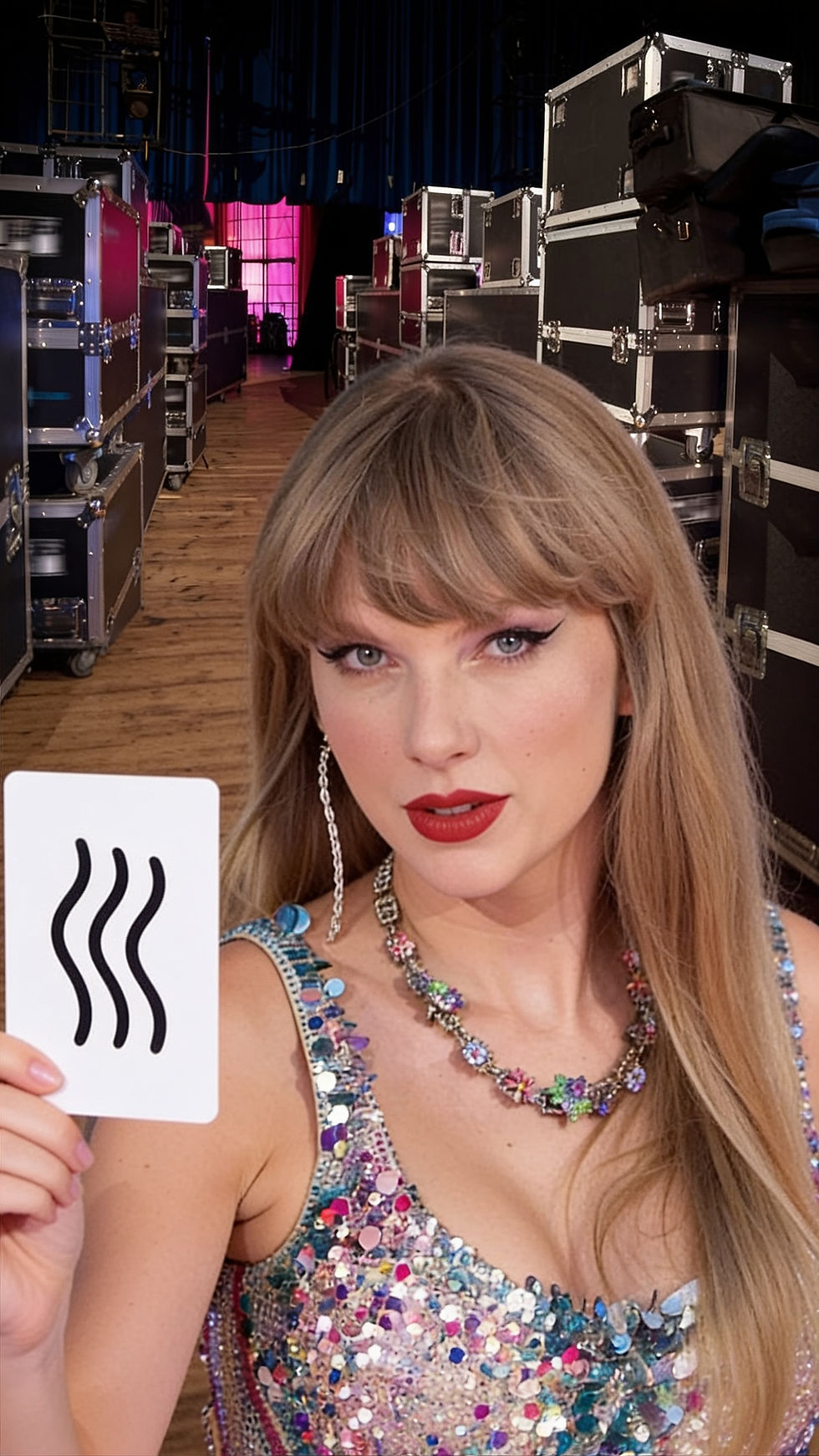
Wavy lines
Square
Star
Magicians and mentalists love them because they feel direct. A spectator thinks of a symbol, chooses a card, or hides an image, and the performer reveals it.
That simplicity makes them perfect for a Taylor-inspired routine. Swift’s public image is strongly linked with symbols and patterns: numbers, colours, eras, coded messages, bracelets, surprise announcements, and fan theories. You do not need to claim any official connection. You can simply use the mood of a pop concert mystery.
The ESP symbols can be assigned loose meanings:
ESP symbol | Taylor-inspired meaning | Performance use |
Circle | Full circle moments | Endings, callbacks, closure |
Cross | Choices and turning points | Forks in a story |
Wavy lines | Emotion and memory | Nostalgia, dreams, intuition |
Square | Structure and planning | Albums, dates, hidden systems |
Star | Fame and spotlight | Big reveals, final predictions |
The trick is to avoid making the theme too heavy. If every card has a long story attached, the magic slows down. Use the Taylor references as flavour. Let the impossible moment do the work.
Trick one uses the star as a forced prediction
This is the easiest starting point. The spectator appears to make a free choice from five ESP symbols, yet they land on the star. You reveal that you predicted it before the trick began.
Call it The Spotlight Prediction.
What you need
Five ESP cards
A small envelope
A note that says `STAR`
Optional bracelet or guitar pick for decoration
Place the note in the envelope before you start. Keep the envelope in full view.
How the method works
This uses a simple magician’s choice, also known as equivoque. The spectator feels they are making decisions, but you guide the outcome through your wording.
Lay out the five ESP cards face up.
Say something like:
“These five symbols could each represent a different kind of song moment. Pick up any two that feel like they belong in the spotlight.”
If they pick up the star, great. Say:
“Perfect, keep those two. We’ll remove the others.”
If they do not pick up the star, say:
“Great, we’ll set those aside and focus on the ones you left.”
You continue narrowing the group while treating every decision as valid. The language changes slightly depending on what they do, but your tone stays calm and fair.
When only the star remains, point to the envelope that has been visible the whole time. Let the spectator open it.
The note says `STAR`.
Why it plays well
The star already feels like the natural Taylor-themed symbol. It suggests stage lights, fame, awards, and a final spotlight moment. The audience does not question why this symbol matters.
The key is confidence. Do not rush the choices. Do not over-explain. Keep the framing light:
“You could have landed anywhere, but somehow this one got the spotlight.”
That line is enough.

Trick two turns friendship bracelets into a mind reading moment
Friendship bracelets are a natural fit for this theme. They are colourful, personal, and easy to handle. In this trick, each bracelet secretly matches one ESP symbol.
The spectator chooses a bracelet, then thinks of its matching symbol. You reveal the symbol without seeing the card.
Call it The Bracelet Read.
What you need
Five friendship bracelets
Five ESP cards
Small stickers, beads, or knots to secretly mark each bracelet
Assign each bracelet to a symbol. For example:
Pink bracelet, circle
Blue bracelet, cross
Purple bracelet, wavy lines
Green bracelet, square
Gold bracelet, star
You need a secret marking system that only you notice. Do not make it obvious. A small bead near the clasp, a knot position, or a colour order can work.
How the method works
Lay the bracelets in a row. Ask the spectator to pick one and hold it in their closed hand.
Because you can see the bracelet, you can read your own secret mark. You now know the matching ESP symbol.
Spread the ESP cards face down and ask them to imagine the matching symbol. Pause. Let the moment breathe.
Then reveal it.
Try this presentation:
“Some fans pick a bracelet for the colour. Some pick it for the word. Some pick it because it feels like the right era. I want you to lock onto the symbol connected to yours.”
Name the symbol.
If you want a stronger ending, turn over the matching ESP card yourself, or have them turn it over after you name it.
Why it works
This is not hard sleight of hand. The strength comes from the personal object. A bracelet feels less like a magic prop and more like something chosen by instinct.
Keep the marks simple. If you need to stare at the bracelet for too long, spectators may feel there is a clue on it. Glance once, then look away.
Good mentalism often looks like listening, not solving.
Trick three creates a five-era personality reading
This one is less about a shocking prediction and more about interaction. It works well at parties, small shows, or fan gatherings because everyone gets a small reading.
Each ESP symbol becomes an “era” style. Not an official album match, just a playful category.
Call it The Five-Era Reading.
Build the meanings
Here is a simple script structure:
Symbol | Reading style |
Circle | You return to old favourites and notice patterns others miss |
Cross | You like dramatic choices and strong turning points |
Wavy lines | You connect songs to memory and mood |
Square | You enjoy structure, clues, dates, and theories |
Star | You love the big emotional finish and the shared crowd moment |
Ask someone to choose one ESP card face down. You can let the choice be real. Then give the reading based on the symbol.
To make it magical, add a prediction.
Before the reading begins, write one of the symbol meanings on a folded note. Use the force from Trick One to guide them to that symbol. Then give the reading and reveal that you predicted not just the symbol, but the type of fan energy they would choose.
A simple performance script
“Each of these symbols stands for a different way people connect with music. Don’t pick the one you think is lucky. Pick the one that feels like your current era.”
After the choice, give the reading in two or three lines.
Then reveal the note.
The prediction might say:
`You will choose the person who remembers everything through feelings and old memories. Wavy lines.`
That feels more personal than simply writing `WAVY LINES`.

Trick four hides a reveal in a setlist-style stack
This routine feels bigger because it uses order. The spectator mixes the symbols, yet the final order matches your written “setlist”.
Call it The Symbol Setlist.
What you need
Five ESP cards
A folded prediction
A duplicate set of five ESP cards, optional
A small card labelled `setlist`
Write a prediction showing an order of symbols, such as:
Circle
Star
Wavy lines
Square
Cross
Now arrange your ESP cards in that order before the trick begins.
How the method works
The beginner version uses a false mix. This does not need to be fancy. You can use a simple overhand shuffle that keeps the order intact.
Hold the five cards face down. Pull small packets off the top into your other hand, but keep the full sequence together. Practise until it looks casual.
If false shuffling feels too risky, use a simpler method. Put the cards in envelopes labelled 1 to 5. The envelopes stay in order, but the spectator chooses where to place small concert-themed tokens beside them. The cards are never truly mixed, yet the procedure feels participatory.
At the end, reveal your written setlist. Turn over the cards one at a time. They match.
Why this is stronger than a single prediction
A one-symbol prediction is quick and sharp. A five-symbol prediction feels layered. Each card builds tension.
Use the setlist framing:
“Every concert has an order. If one moment moves, the whole feeling changes. Before we started, I wrote the order I thought these symbols would end up in.”
Then let the spectator read the prediction aloud. That makes the reveal cleaner.
How to make the tricks feel Swift-inspired without overdoing it
The best Taylor Swift magic tricks with ESP symbols are not karaoke routines. They are magic routines with a tasteful theme.
Use references that fans recognise without relying on protected material or long explanations.
Good choices include:
Friendship bracelets
Colour themes
“Eras” as a general idea
Hidden messages
Lucky numbers
Concert lights
Confetti
Surprise reveals
Setlist structure
Avoid using copyrighted lyrics in your script. Avoid selling tricks with official-looking logos or artwork. If you perform publicly, make your props original.
The goal is to create the feeling of fan-coded mystery, not to pretend the routine is official merchandise or endorsed by anyone.
Performance tips that make the methods invisible
The methods above are simple. That is good. Simple methods let you focus on timing, eye contact, and story.
Give every choice a reason
If you ask someone to choose a card, tell them how to choose.
“Pick the one that feels most like a memory.”
That is better than:
“Pick a card.”
The first line gives the moment texture. The second line feels generic.
Do not apologise for the theme
Some performers get nervous when they use pop culture framing. They make jokes about it before anyone else can.
Avoid that. Present the routine with warmth and confidence. If the spectators love the theme, they will lean in. If they do not, the ESP mystery still works.
Keep the props tidy
Too many colours, stickers, and accessories can make the table look messy. Use five symbols, five bracelets, and one prediction. That is enough.
A small visual world works better than a cluttered one.
Practise the words, not just the handling
Most beginner magicians practise the secret move and forget the script. With themed mentalism, the script carries half the effect.
Practise these parts aloud:
How you introduce the five symbols
How you guide choices
How you pause before the reveal
How you explain the prediction after it lands
Record yourself once. You will hear which lines sound natural and which lines sound too written.
A complete three-minute routine
Here is a simple way to combine the ideas.
Start with five ESP cards and five bracelets on the table.
Say:
“Each bracelet is connected to one of these symbols. Together they make a tiny setlist of choices, memories, and spotlight moments.”
Ask the spectator to choose a bracelet. Secretly read the mark and know the symbol.
Give a short reading based on that symbol.
Then lay out all five ESP cards and use the force from Trick One to guide them to the star. Reveal the envelope prediction.
Now you have two phases:
A personal symbol reveal
A final star prediction
This gives the routine shape. The first moment feels intimate. The second feels theatrical.
Keep it under three minutes. Magic gets stronger when it does not overstay.

What makes the reveal feel magical
The secret method is only the skeleton. The feeling comes from the frame.
ESP symbols already suggest intuition. Taylor-inspired details suggest coded meaning. Put them together and the spectator feels that their choice has a story behind it.
That is the real strength of this theme. A star is not just a star. It can be the spotlight. Wavy lines are not just wavy lines. They can be memory, emotion, or a song that takes someone back to a place.
Use that lightly. A reading should feel like a spark, not a lecture.
If you are just starting, learn one routine well before adding more. The star prediction is the best first choice because it has a clear ending and needs only basic handling. Once that feels smooth, add the bracelet read. Then build towards the setlist stack.
A good themed trick does three things: it looks clear, it feels personal, and it ends before the audience has time to pull it apart. ESP symbols give you the clarity. The Taylor-inspired frame gives you the personality. Your timing gives it the magic.






Comments